Colorado holds four national parks, each protecting a completely different kind of landscape: alpine tundra above 12,000 feet, ancient cliff dwellings built into sandstone canyons, the tallest sand dunes in North America, and a canyon so narrow and deep that parts of it receive just 33 minutes of direct sunlight a day. Together they cover everything from Ancestral Puebloan history to some of the youngest national park designations in the entire system.
Here’s the practical guide to all four: where each one sits, what it costs to visit, the numbers that define them, and how such different landscapes all earned federal protection over the course of a century.
Colorado’s National Parks Overview
| Park | Location | Established | Vehicle Entrance Fee | Signature Feature |
| Rocky Mountain | North-central CO, near Estes Park | 1915 | $30 (1-day) / $35 (7-day) | Trail Ridge Road, alpine tundra |
| Mesa Verde | Southwestern CO, near Cortez | 1906 | $30 (summer) / $20 (winter) | Ancestral Puebloan cliff dwellings |
| Great Sand Dunes | San Luis Valley, south-central CO | 1932 (monument); 2004 (park) | $25 (7 days) | Tallest dunes in North America |
| Black Canyon of the Gunnison | West-central CO, near Montrose | 1933 (monument); 1999 (park) | $30 (7 days) | Colorado’s highest sheer cliff face |
Where Colorado’s National Parks Are Located
Rocky Mountain National Park sits in the north-central part of the state, about 70 miles northwest of Denver near Estes Park, making it the most accessible of the four for anyone flying into Denver International Airport. Mesa Verde occupies the far southwestern corner near Cortez, close to the Four Corners region, while Great Sand Dunes sits in the San Luis Valley in south-central Colorado, roughly three and a half hours from Denver by car. Black Canyon of the Gunnison sits in west-central Colorado near Montrose, genuinely remote and among the least-visited parks in the entire National Park System.
Because these four parks are spread across such different regions of the state, seeing all of them in one trip requires serious driving time, often six or more hours between the furthest points. Most visitors pair Mesa Verde with Great Sand Dunes on a southern Colorado loop, or focus on Rocky Mountain alone given its proximity to Denver.
What Colorado’s National Parks Cost to Visit
Rocky Mountain charges $30 for a one-day vehicle pass or $35 for seven days, a slightly different structure than most other parks. Mesa Verde uses a seasonal rate, $30 during summer (May through October) and $20 in winter. Great Sand Dunes charges $25 for seven days, and Black Canyon of the Gunnison charges $30, with a $25 motorcycle rate and $15 per-person fee for those arriving on foot or bicycle.
For anyone visiting all four or combining them with parks elsewhere, the $80 America the Beautiful Annual Pass covers entrance at every fee-charging national park nationwide and typically pays for itself after just two or three visits. As of January 1, 2026, non-U.S. residents pay $250 for the equivalent annual pass rather than $80, though none of Colorado’s four parks currently charge the additional $100 international surcharge applied at select high-traffic parks like Yellowstone or Zion, since Rocky Mountain is the only Colorado park on that list.
Facts That Distinguish Colorado’s Four Parks
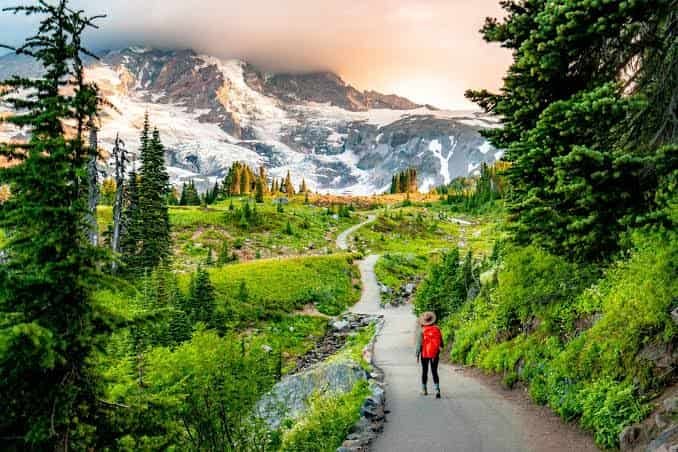
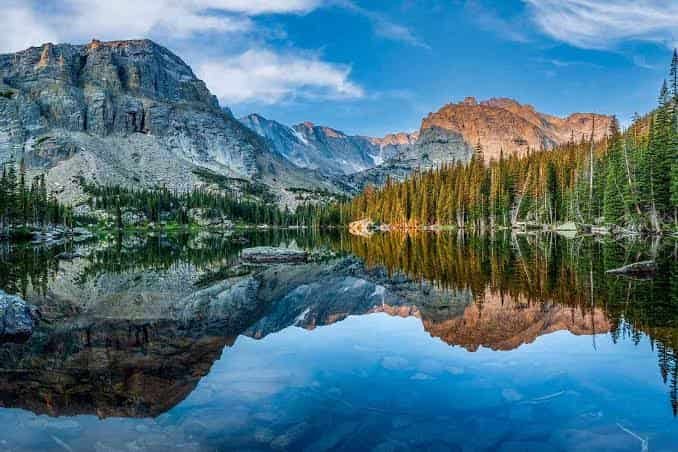
Rocky Mountain is defined by extreme elevation, with Trail Ridge Road climbing above 12,000 feet as the highest paved through-road in the entire national park system, and nearly a third of the park sitting above treeline. Mesa Verde protects nearly 5,000 archaeological sites, including roughly 600 cliff dwellings built by the Ancestral Puebloan people between the 6th and 13th centuries, with Cliff Palace standing as the largest cliff dwelling in North America.
Great Sand Dunes holds the tallest dunes on the continent, with Star Dune and Hidden Dune both reaching roughly 750 feet from base to summit, an improbable pairing with the 13,000-foot Sangre de Cristo peaks rising directly behind them. Black Canyon of the Gunnison packs an unmatched depth-to-width ratio into its narrow gorge, with the Gunnison River dropping an average of 34 feet per mile through the canyon, compared to just 7 feet per mile for the Colorado River through the Grand Canyon, and cliff walls so steep and shadowed that the canyon earned its name from the darkness at its bottom.
The History Behind Colorado’s National Parks
Mesa Verde holds the distinction of being the oldest of the four and the first national park in the entire system created specifically to protect archaeological and cultural heritage rather than natural scenery, established in 1906 after decades of advocacy following the accidental 1888 discovery of Cliff Palace by local ranchers. Rocky Mountain followed in 1915, championed by naturalist Enos Mills and helped along by surveys confirming the mountains held no valuable minerals worth mining, removing a major point of political resistance.
Great Sand Dunes and Black Canyon of the Gunnison both began as national monuments decades before achieving full park status. Great Sand Dunes was protected in 1932 and didn’t become a full national park until 2004, following a major 2000 land expansion that added the surrounding Sangre de Cristo watershed. Black Canyon of the Gunnison followed a similar arc, protected as a monument in 1933 and elevated to national park status in 1999, one of the more recent park designations in the entire system.
Frequently Asked Questions
Q1. Which Colorado national park is best for someone with limited hiking experience?
Rocky Mountain offers the most developed infrastructure and scenic driving options, including Trail Ridge Road, that don’t require serious hiking, making it the most accessible choice for casual visitors or those short on time.
Q2. Can I drive between the North and South Rim of Black Canyon of the Gunnison?
No, there’s no road or bridge connecting the two rims within the park. Driving between them requires routing along non-park roads outside the boundary, typically taking two or more hours, so most visitors pick one rim per trip.
Q3. Do I need a reservation to visit any of Colorado’s national parks?
Rocky Mountain required timed entry reservations in recent past seasons during peak summer months, though policies shift year to year, so always check each park’s current requirements before a trip. Mesa Verde, Great Sand Dunes, and Black Canyon generally don’t require advance reservations for general entry.
Q4. Is it possible to visit all four Colorado national parks in a single road trip?
It’s possible but demanding, given the driving distances involved, particularly reaching Black Canyon of the Gunnison in the state’s remote west-central region. Most travelers need at least 7 to 10 days to visit all four without feeling rushed.