Are gel guns legal in the UK? Generally yes: in England, Wales, and Scotland, low-powered gel blasters can be owned and used by adults, and many players enjoy them at private sites and in their own gardens. The details matter, though, because gel blasters sit at the crossroads of several laws covering toys, airsoft, imitation firearms, and public behaviour. Power level, how realistic the replica looks, where it is used, and who is buying it all affect whether a particular setup stays comfortably within the rules. This overview is general information, not legal advice, and the police or a qualified solicitor can confirm how current rules apply to your situation.
What a Gel Gun Actually Is
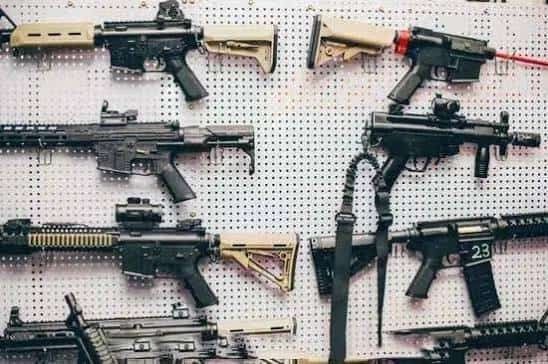
A gel gun, also called a gel blaster or gel ball blaster, fires small, soft balls made from water-absorbing polymer. The beads are only a few millimetres wide when dry and swell when soaked in water, so they burst on impact instead of bouncing like hard plastic pellets. Most models are powered by an electric gearbox and a rechargeable battery, and the designs range from bright, toy-like blasters to replicas of real firearm shapes.
That variety is exactly why the law treats them with some nuance. A neon-coloured blaster marketed as a toy sits in a different category from a realistic replica of a military rifle.
The Main Laws That Apply
Several pieces of UK legislation shape what gel blaster owners can do, and understanding the basics makes everything simpler.
- Firearms Act 1968: sets power thresholds above which an air weapon or similar device counts as a firearm that needs a certificate
- Violent Crime Reduction Act 2006: restricts the sale, import, and manufacture of realistic imitation firearms, with a defence for certain uses such as airsoft skirmishing
- Criminal justice and public order rules: cover behaviour in public places, including carrying replica firearms or causing alarm
- Scottish air weapon rules: Scotland has its own licensing system for air weapons, which can matter if a device exceeds the relevant power level
Most gel blasters from reputable sellers are built to fire at low muzzle energy, often at or below around one joule, which is typically well under the level that would make them a licensable firearm. Modified blasters can exceed that, which is one reason owners keep their devices in their original configuration.
Why Realism Matters
The most important practical question is how much a gel blaster resembles a real firearm. UK law places controls on realistic imitation firearms, meaning replicas that look convincingly like the real thing. Brightly coloured, transparent, or clearly toy-styled blasters generally fall outside that concern, while close replicas of real weapons receive more attention.
For owners, a few simple habits help.
- Choose blasters with bright colours or orange tips if you plan to travel with them
- Keep realistic-looking replicas for registered sites or private land
- Buy from established retailers who explain their sales policies clearly
- Keep receipts and product details in case you ever need to show what the item is
Many sellers follow age checks and registration steps for realistic replicas, which is a normal part of buying one.
Where You Can Use a Gel Blaster
Location is the biggest factor in staying comfortable with the law. Gel blasters are meant for fun in controlled settings, and several options work very well.
- Private land with the owner’s permission: gardens, farmland, and woodland where the landowner agrees
- Dedicated gel blaster and airsoft sites: many have arenas, rental kits, and safety briefings for newcomers
- Indoor arenas: purpose-built venues offer protective gear and organised games
- Organised clubs and events: a friendly way to meet other players and learn good habits
Public places such as streets, parks, car parks, and schools are not suitable for gel blaster use. Police take reports of replica firearms in public seriously because members of the public may not realise the item is a toy, and a call to emergency services can lead to a significant response.
Age Rules and Buying Responsibly
Retailers commonly set a minimum purchase age of 18 for gel blasters, particularly realistic models. Younger enthusiasts often take part through supervised sessions at sites or under parental supervision on private land.
Families can make the hobby a positive one with a few ground rules.
- Adults supervise younger players at all times
- Everyone wears protective eyewear, since gel balls can cause eye injuries
- Players agree on boundaries before a game starts
- Blasters are stored out of sight when not in use
Safety Gear That Makes the Hobby Better
The right equipment turns a gel blaster session into a comfortable, enjoyable experience. Gel balls are soft, but the eyes remain vulnerable.
- Full-seal goggles or a mask: essential eye protection that fully covers the eyes
- Long sleeves and trousers: reduce the sting of close-range hits
- Gloves: protect hands, which are often exposed during play
- Face covering: a mesh or full-face guard adds protection for teeth and cheeks
Most dedicated sites provide or require this gear, and bringing your own helps you feel prepared and confident.
Transporting and Storing Your Blaster
Moving a gel blaster from home to a site is simple when you plan ahead. Careful transport also avoids misunderstandings.
- Carry the blaster in a closed bag or case so it cannot be seen from outside
- Transport it in the boot of a car rather than on a seat
- Go directly between home and the play location
- Keep batteries safely stored and charged using the supplied charger
- Store the blaster at home out of reach of children and away from windows
A tidy, covered transport routine keeps everything smooth and shows good judgement to anyone who might notice.
Differences Across the UK
The UK has more than one legal system, and gel blaster rules reflect that. England and Wales broadly follow the framework described above. Scotland has its own air weapon licensing rules, so owners there benefit from checking how those rules apply to blasters. Northern Ireland has different firearms legislation and generally takes a stricter approach to replica and air-powered items, so anyone living in or visiting Northern Ireland should check with the Police Service of Northern Ireland before buying or bringing a blaster.
Laws and guidance are updated from time to time, and the Home Office and local police forces publish current information, which makes a quick check before a purchase a smart habit.
Frequently Asked Questions
Q1. Can I buy a gel gun online in the UK?
A: Yes, from reputable retailers, which usually require buyers to be 18 or older and may ask for age verification, especially for realistic models.
Q2. Can I use a gel gun in my garden?
A: Generally yes, if it is your own property or you have the owner’s permission, and the gel balls stay within the property. Be considerate of neighbours and wear eye protection.
Q3. Do I need a licence for a gel blaster in the UK?
A: Low-powered gel blasters typically do not need a firearms certificate in England and Wales. Scotland and Northern Ireland have different rules, so check locally.
Q4. Can I carry a gel gun in public?
A: It is best not to. Carrying one openly in public can alarm people and prompt a police response, so transport it covered and go directly to your play site.