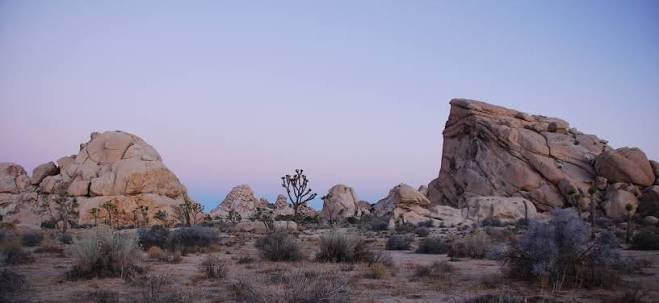
The Joshua tree itself isn’t actually a tree — it’s a giant member of the agave family, twisted into shapes so strange that Mormon settlers crossing the desert in the 1800s reportedly named it after the biblical figure Joshua, seeing arms raised in prayer toward the sky. That same desert oddity now gives its name to nearly 800,000 acres of protected land where two entirely different desert ecosystems collide, granite boulders the size of buildings pile up in improbable stacks, and the night sky gets dark enough to see the Milky Way without any real effort.
Here’s the practical rundown for planning a visit: where the park sits, what it costs, the numbers that define it, and the story of the one determined woman who saved it from destruction before most people had ever heard of it.
Joshua Tree National Park Overview
| Category | Details |
| Location | Southeastern California, Riverside and San Bernardino counties |
| Nearest towns | Joshua Tree, Twentynine Palms, Yucca Valley |
| Nearest airport | Palm Springs International (PSP), about an hour away |
| Established | August 10, 1936 (as a national monument); October 31, 1994 (as a national park) |
| Total area | About 795,000 acres (roughly 1,242 square miles) |
| Vehicle entrance fee | $30, valid 7 consecutive days |
| Motorcycle fee | $25 |
| Per-person fee (foot/bicycle) | $15 |
| Joshua Tree Annual Pass | $55 |
| America the Beautiful Annual Pass | $80 (all U.S. national parks) |
| Fee-free days (2026) | Apply only to U.S. citizens and residents |
| Ecosystems protected | Mojave Desert and Colorado Desert |
| Highest point | Quail Mountain, 5,814 feet |
| Designated wilderness | About 591,600 acres |
| International Dark Sky Park | Designated 2017 |
| Annual visitation | Roughly 3 million visitors |
Where Joshua Tree National Park Is Located
Joshua Tree sits in southeastern California, close enough to Los Angeles and the Coachella Valley that it functions as a popular weekend escape for Southern Californians, roughly a two-and-a-half to three-hour drive from L.A. depending on traffic. Palm Springs International Airport, about an hour from the park’s entrances, is the most convenient airport for visitors flying in.
The park has three main entrances: West Entrance near the town of Joshua Tree, North Entrance near Twentynine Palms, and Cottonwood Entrance to the south off Interstate 10. The West Entrance is by far the busiest, since it’s closest to the population centers most visitors arrive from, and long lines are common there during peak morning hours. A useful workaround: entering through the North Entrance near Twentynine Palms instead, then looping through Park Boulevard back toward the west side, often means skipping the wait almost entirely.
Geologically, the park sits exactly where two desert ecosystems meet. The higher, cooler Mojave Desert dominates the western half, home to the Joshua trees themselves, while the lower, hotter Colorado Desert stretches across the eastern and southern sections, favoring different plant life entirely, including cholla cactus and creosote bush.
What It Costs to Visit
A standard vehicle pass costs $30, covering everyone inside for seven consecutive days. Motorcycles pay $25, and visitors on foot or bicycle pay $15 per person, with children under 16 admitted free.
Frequent visitors typically buy the $55 Joshua Tree Annual Pass, while anyone planning trips to multiple national parks during the year tends to prefer the $80 America the Beautiful Pass, covering admission to every federal recreation site nationwide.
One change worth noting for 2026: fee-free days, the handful of dates each year when entrance is waived entirely, now apply only to U.S. citizens and residents. International visitors will pay the standard entrance fee on those dates regardless.
A practical tip that saves both time and money isn’t really about the entrance fee at all: if a ranger isn’t present at the fee station and it’s unstaffed, visitors can continue driving into the park without stopping to pay in that moment, though the fee is technically still owed and can be paid online or at a later station.
Facts That Make Joshua Tree Unique
Joshua Tree protects over 750 documented plant species across its two desert zones, along with five species of native palm, found in fan palm oases fed by underground springs that surface along the park’s fault lines. The Fortynine Palms Oasis and Lost Palms Oasis stand out as unexpected green pockets in an otherwise arid landscape, drawing wildlife like bighorn sheep and a wide range of bird species that depend on these rare water sources.
The park’s famous granite boulder piles, seen most dramatically at spots like Jumbo Rocks, are roughly 100 million years old, formed underground before millions of years of erosion exposed and rounded them into the stacked formations climbers and photographers now flock to see. Joshua Tree also sits directly along the San Andreas Fault, visible from the Keys View overlook, where the fault splits into two parallel strands with a wedge of uplifted hills forced up between them.
Temperature extremes here are significant — summer highs regularly exceed 120°F, while winter nights can dip below freezing, all within a park receiving less than 5 inches of rainfall annually.
The History Behind Joshua Tree National Park
Long before federal protection, the land was home to Indigenous peoples including the Serrano, Cahuilla, Chemehuevi, and Mojave, who navigated the desert terrain and maintained deep knowledge of its plant and water resources for thousands of years.
Modern protection efforts trace back to one determined advocate: Minerva Hoyt, a Pasadena resident who, after witnessing widespread destruction of desert cacti and rare plants by collectors during the 1920s and 1930s, launched a tireless campaign to save the landscape. Her efforts eventually persuaded President Franklin Roosevelt to designate the area Joshua Tree National Monument on August 10, 1936, though railroad land disputes ultimately shrank the original million-acre proposal down to about 825,000 acres.
Hoyt never lived to see her name formally attached to the park, but recognition came decades later. In 2012, the U.S. Board on Geographic Names approved naming a 5,405-foot peak in the park’s west-central section Mount Minerva Hoyt, with a dedication ceremony held in March 2013 timed to her birthday.
The monument’s status changed significantly in 1994, when Congress passed the California Desert Protection Act, elevating Joshua Tree to full national park status and adding roughly 234,000 acres to its boundaries. That same legislative package designated large portions of the park as protected wilderness, building on an initial 420,000-acre wilderness designation from 1976 that has since grown to nearly 592,000 acres today.
Frequently Asked Questions
Q1. Which entrance should I use to avoid long lines?
The West Entrance near the town of Joshua Tree sees the heaviest traffic due to its proximity to Southern California population centers. Entering through the North Entrance near Twentynine Palms instead, then driving the loop back through Park Boulevard, typically means little to no wait.
Q2. Is stargazing really as good as people say, and when’s the best time?
Yes — Joshua Tree earned International Dark Sky Park status in 2017, and clear nights offer excellent Milky Way visibility. New moon periods away from the coldest winter months and hottest summer months typically offer the most comfortable stargazing conditions.
Q3. Can I visit the fan palm oases without a long hike?
Fortynine Palms Oasis requires a moderate 3-mile round-trip hike, while some sections of Lost Palms Oasis require a longer trek. Neither is accessible by a short walk from a parking area, so plan for real trail time if these oases are a priority.
Q4. What should I know about rock climbing permits or restrictions?
Joshua Tree doesn’t require a permit for day climbing at most of its over 8,000 documented routes, but bolting new routes and certain fixed anchor replacements do require authorization. Check current park guidelines before attempting any new route development.