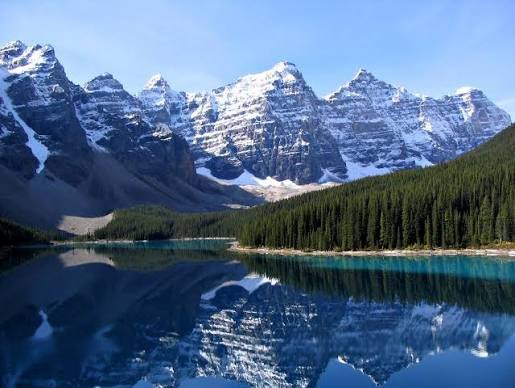
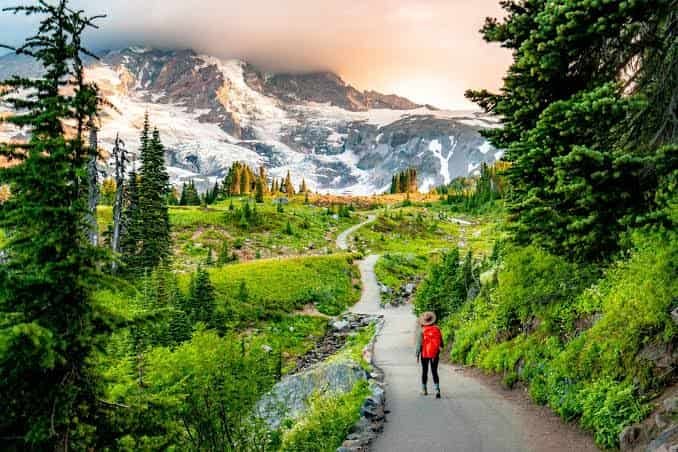
In July 2024, wildfire swept through Jasper National Park and its townsite, triggering one of the largest evacuations in Canadian national park history and destroying roughly a third of the town, including 800 housing units. Less than two years later, the park has reopened with restored trails, operating campgrounds, and a genuinely rebuilt visitor infrastructure, though recovery work continues in specific corners of the park. It’s a resilience story layered onto an already remarkable landscape: the largest national park in the Canadian Rockies, home to the world’s second-largest dark sky preserve and a massive icefield feeding rivers that flow to three different oceans.
Here’s the practical guide for anyone planning a visit, especially U.S. travelers heading north: where the park sits, what it costs, its current post-wildfire status, and the century-plus history behind Canada’s largest Rocky Mountain park.
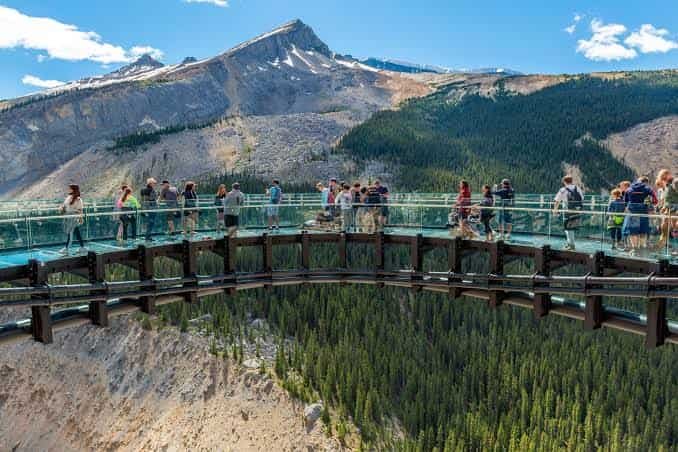
Jasper National Park Overview
| Category | Details |
| Location | Alberta, Canadian Rockies, north of Banff |
| Nearest town | Jasper, AB (within the park) |
| Distance from Edmonton | About 225 miles (roughly 4 hours) |
| Nearest airport | Edmonton International Airport (YEG) |
| Established | September 14, 1907 (as Jasper Forest Park); national park status in 1930 |
| Total area | About 4,200–4,335 square miles — largest park in the Canadian Rockies |
| Daily entry fee (2025 rate) | Roughly $10.50 USD per adult or $21 USD per vehicle |
| Free admission window (2026) | June 19–September 7, via the Canada Strong Pass |
| Columbia Icefield | About 125 square miles, feeds 8 major glaciers |
| Dark sky status | World’s second-largest Dark Sky Preserve (designated 2011) |
| UNESCO status | Part of the Canadian Rocky Mountain Parks World Heritage Site (1984) |
| 2024 wildfire | Declared extinguished April 1, 2025; park fully reopened |
Where Jasper National Park Is Located
Jasper National Park sits in western Alberta, along the eastern slopes of the Canadian Rockies, directly north of Banff National Park and west of Edmonton. The town of Jasper sits inside the park itself and functions as the main hub for lodging, dining, and outfitters, connected to Banff via the Icefields Parkway, widely regarded as one of the most scenic drives in the world.
Edmonton International Airport offers the most convenient air access for most travelers, with roughly a four-hour drive to reach the park. Because Jasper sits further from major population centers than Banff, it draws a genuinely quieter, more remote wilderness experience despite its larger overall size.
Current Status: Visiting After the 2024 Wildfire
Here’s the update anyone planning a 2026 trip needs: Jasper National Park is fully open. The wildfire complex that swept through in July 2024 affected roughly 32,700 hectares and damaged 358 structures within the townsite, but it was officially declared extinguished on April 1, 2025. All major transportation corridors, including Highway 16 and the Icefields Parkway, operate normally, and the large majority of accommodations, restaurants, and visitor services reopened by fall 2024.
That said, recovery work continues in specific pockets. About 77% of frontcountry campground capacity and all backcountry camping remain available for 2026, though Wabasso Campground, Whirlpool Group Campground, and part of Wapiti Campground stay closed this season while Parks Canada rebuilds fire-damaged infrastructure that was already near the end of its lifespan. Some trailheads, including Cavell Road and the Astoria trailhead for Tonquin Valley, remain closed for the 2026 season, while others like the Skyline Trail’s Wabasso access point stay shut until further notice. Checking Parks Canada’s official “What’s Open” interactive map before finalizing a route is genuinely worthwhile given how specific these closures are.
What It Costs to Visit
Jasper charges per person rather than per vehicle, similar to other Parks Canada sites, with a standard daily rate of roughly $10.50 USD per adult or about $21 USD per vehicle group, based on 2025 pricing. Annual Discovery Passes are available for frequent visitors or those combining Jasper with other Canadian national parks on the same trip.
The most useful detail for anyone planning a summer 2026 trip: from June 19 through September 7, 2026, Parks Canada is offering completely free admission to all national parks, including Jasper, through the federal Canada Strong Pass program, alongside a 25% discount on Parks Canada frontcountry camping during that same window. The pass covers entry and trailhead parking but does not cover private tours, rafting trips, glacier experiences, or the Maligne Lake boat cruise, so budget for those separately if they’re part of your plans. Given that this free-entry period overlaps with peak summer travel and post-wildfire pent-up demand, booking accommodations and any paid activities well in advance is strongly recommended.
Facts That Make Jasper Extraordinary
At roughly 4,200 to 4,335 square miles, Jasper is the largest national park in the Canadian Rockies, offering a genuinely wilder, less crowded experience than neighboring Banff despite drawing over 2 million visitors annually. The park protects a portion of the Columbia Icefield, one of the largest ice fields in the North American Rockies at about 125 square miles, straddling a triple Continental Divide where meltwater eventually reaches the Arctic, Atlantic, and Pacific Oceans.
Mount Columbia, at 3,747 meters, stands as Alberta’s highest peak, located within the park’s Main Ranges. The Athabasca Glacier, part of the Columbia Icefield, ranks among the most visited and accessible glaciers in the world, reachable by guided Ice Explorer vehicle tours or independent hiking to its base. Jasper also became the world’s second-largest Dark Sky Preserve in 2011, drawing dedicated stargazers thanks to its remote location and minimal light pollution.
Wildlife here reflects the park’s size and relative isolation, supporting some of North America’s healthiest populations of grizzly bears, moose, and elk, along with one of the last remaining strongholds for the endangered southern mountain caribou population in western Canada.
The History Behind Jasper National Park
The park takes its name from Jasper Hawes, an early 19th-century trading post manager for the North West Company, a somewhat unusual naming choice since it uses his first name rather than surname. The area was originally known as Fitzhugh before adopting the Jasper name more broadly.
Under Prime Minister Wilfrid Laurier’s government, the land was first protected as Jasper Forest Park on September 14, 1907, covering roughly 5,000 square miles along the developing transcontinental railway corridor through the Athabasca Valley. It took more than two decades before Canada’s 1930 National Parks Act formally reclassified the site as a full national park, cementing its present boundaries and status. In 1984, Jasper joined Banff, Kootenay, and Yoho national parks, along with several provincial parks, to form the Canadian Rocky Mountain Parks UNESCO World Heritage Site, recognized for its exceptional geological features and natural beauty.
Frequently Asked Questions
Q1. Is it actually safe and worthwhile to visit Jasper in 2026 after the wildfire?
Yes. The park is fully open, with major roads, most accommodations, and the majority of trails and campgrounds restored as of 2026. Some specific trailheads and a few campgrounds remain closed for ongoing rebuild work, so check Parks Canada’s current “What’s Open” map before finalizing your itinerary.
Q2. How does the Canada Strong Pass free-entry period actually work?
From June 19 through September 7, 2026, admission to Jasper and all other Canadian national parks is free, along with a 25% camping discount, available at the park gate or through parks.canada.ca. It doesn’t cover private tours, rafting, glacier experiences, or the Maligne Lake cruise.
Q3. Can I combine a Jasper trip with Banff National Park easily?
Yes, the two parks connect directly via the Icefields Parkway, a roughly 3 to 4 hour scenic drive widely considered one of the most beautiful road trips in the world, making a combined Jasper-Banff itinerary a popular and practical choice.
Q4. Are backcountry campsites available for booking, and when does reservation season open?
Yes, 100% of backcountry camping inventory is available for 2026. The Parks Canada Reservation Service opens backcountry bookings starting January 28, 2026, so mark that date if you’re planning a multi-day backcountry trip during peak season.