The General Grant Tree is the only living organism in the United States formally designated a national shrine by an act of Congress, and every year, a wreath is laid at its base in a ceremony recognizing it as the nation’s official Christmas tree. That single sequoia, over 1,500 years old and the third-largest known tree on Earth, sits inside a small isolated grove that was once its own separate national park, later absorbed into the much larger Kings Canyon National Park when conservationists successfully fought off plans to dam one of the deepest canyons in North America.
Here’s the practical guide for anyone planning a visit: where the park sits, what it costs, the numbers behind its record-setting canyon depth, and the water-development battle that ultimately shaped the park’s modern boundaries.
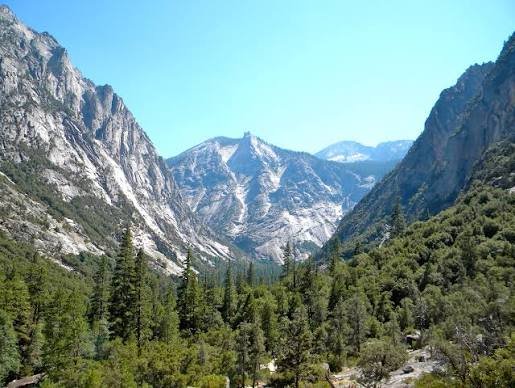
Kings Canyon National Park Overview
| Category | Details |
| Location | Southern Sierra Nevada, east of Fresno, California |
| Counties | Fresno and Tulare |
| Nearest city | Fresno, CA |
| Nearest airport | Fresno Yosemite International (FAT) |
| Established | General Grant National Park in 1890; Kings Canyon National Park on March 4, 1940 |
| Total area | About 461,901 acres |
| Vehicle entrance fee | $35, valid 7 consecutive days (shared with Sequoia National Park) |
| Motorcycle fee | $30 |
| Per-person fee (foot/bicycle) | $20 |
| America the Beautiful Annual Pass | $80 (all U.S. national parks) |
| International visitor surcharge (2026) | $100 per person, age 16+ (waived with a qualifying annual pass) |
| Canyon depth | Up to 8,200 feet — deeper than the Grand Canyon in places |
| Famous tree | General Grant Tree, 267 feet tall, the U.S. national Christmas tree |
| Managed jointly with | Sequoia National Park (since 1943) |
Where Kings Canyon National Park Is Located
Kings Canyon National Park sits in the southern Sierra Nevada of California, directly north of Sequoia National Park and connected to it by the Generals Highway, the two administered together as a single joint operation. Fresno serves as the nearest city of size, with Fresno Yosemite International Airport offering the most convenient air access, followed by a drive of roughly an hour and a half to reach the park entrance.
The park itself is split into two distinct sections. General Grant Grove, home to the famous sequoia trees, sits as a somewhat isolated pocket near the park’s western entrance, while the much larger wilderness area containing Kings Canyon itself stretches deep into the High Sierra, accessible via the seasonal Kings Canyon Scenic Byway leading to Cedar Grove.
What It Costs to Visit
A standard vehicle pass costs $35, covering everyone inside for seven consecutive days, and because Kings Canyon and Sequoia National Park share a single entrance fee, that one pass grants access to both parks. Motorcycles pay $30, and visitors on foot or bicycle pay $20 per person.
Anyone visiting multiple national parks throughout the year typically prefers the $80 America the Beautiful Pass, covering admission to every federal recreation site nationwide. As of January 1, 2026, Kings Canyon joined ten other high-traffic parks in charging non-U.S. residents an additional $100 surcharge per person, on top of the standard entrance fee. A $250 non-resident annual pass waives that surcharge and typically saves money for families or groups.
Facts That Make Kings Canyon Extraordinary
Kings Canyon itself reaches depths of up to 8,200 feet in places, making it deeper than the Grand Canyon by roughly half a mile at its most extreme point, carved by glaciers over hundreds of thousands of years rather than by a single river’s steady erosion. Much of the canyon exceeds a mile in depth, framed by sheer granite walls that rise dramatically above the Kings River below.
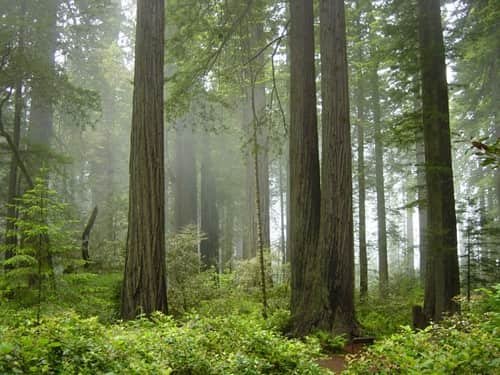
General Grant Grove holds some of the most significant giant sequoias anywhere, including the General Grant Tree itself, standing 267 feet tall and recognized as the third-largest known tree on Earth by volume. Congress designated it a national shrine in 1956, a distinction unique among living things in the United States, and it continues to serve as the nation’s official Christmas tree, honored annually. Nearby, Redwood Mountain Grove holds the title of the largest remaining natural grove of giant sequoias anywhere in the world.
Elevation across the combined Sequoia and Kings Canyon parks ranges from roughly 1,300 feet in the foothills up to 14,494 feet in the High Sierra, a vertical span supporting more than 1,200 species of vascular plants and over 315 animal species across dramatically different ecological zones within a single park boundary.
The History Behind Kings Canyon National Park
Congress established General Grant National Park in 1890, protecting the grove containing the famous General Grant Tree just a week after Sequoia National Park’s own creation, making them among the earliest national parks in the entire system. Naturalist John Muir hiked through the broader Kings Canyon region and, captivated by its scale, began advocating for its federal protection soon after, though full protection of the canyon itself took decades longer to achieve.
Through the early 20th century, water development interests, including the Kings River Water Association and the city of Los Angeles, repeatedly proposed damming sections of the canyon for hydroelectric power and irrigation, particularly targeting the Tehipite Valley and upper Kings River. Conservation groups fought these proposals for years, arguing the canyon’s geological and ecological value outweighed competing resource extraction interests.
That advocacy paid off during Franklin D. Roosevelt’s presidency, part of his broader New Deal conservation initiatives. In 1940, the federal government created Kings Canyon National Park by expanding and absorbing the existing General Grant National Park, with the former park’s land becoming what’s now called General Grant Grove within the larger park. The fight against dam proposals continued even after the park’s creation, and in 1965, Congress passed Public Law 89-89, adding roughly 53,000 acres including Cedar Grove and Tehipite Valley specifically to secure those potential dam sites permanently against future hydroelectric development. Kings Canyon and Sequoia National Park have been jointly administered as a single combined unit since 1943.
Frequently Asked Questions
Q1. Does one entrance fee really cover both Kings Canyon and Sequoia National Park?
Yes. Since the two parks are administered jointly, a single $35 vehicle pass grants access to both Kings Canyon and Sequoia National Parks for seven consecutive days.
Q2. Is Cedar Grove accessible year-round, or does it close seasonally?
The Kings Canyon Scenic Byway leading to Cedar Grove typically closes in late fall due to snow and doesn’t reopen until late spring, so visitors planning to explore that section of the canyon should check current road status before a winter or early spring trip.
Q3. Can I actually walk up close to the General Grant Tree?
Yes, a short, paved, roughly half-mile loop trail through General Grant Grove leads directly to the tree’s base, making it one of the more accessible giant sequoia experiences in either park, suitable for most visitors without requiring a long hike.
Q4. Why is Kings Canyon sometimes compared to Yosemite Valley?
Both were carved by glaciers into dramatic U-shaped valleys with sheer granite walls, giving Kings Canyon a genuinely similar visual character to Yosemite Valley, though Kings Canyon receives far fewer visitors, making it a quieter alternative for travelers seeking comparable scenery without the crowds.