Most national parks exist to protect a mountain, a canyon, or some other dramatic landmark. Everglades National Park was different from the start — it’s the first park in the entire system created specifically to protect an ecosystem rather than scenery. That distinction matters because at first glance, a slow-moving sheet of water crawling through sawgrass doesn’t look like much. But it’s this “River of Grass,” as author Marjory Stoneman Douglas famously called it, that supports one of the only places on Earth where alligators and crocodiles share the same waters.
Here’s the practical guide for planning a visit: where the park sits, what it costs, the numbers that define its scale, and the century-long fight over water that shaped its creation and continues to define its survival today.
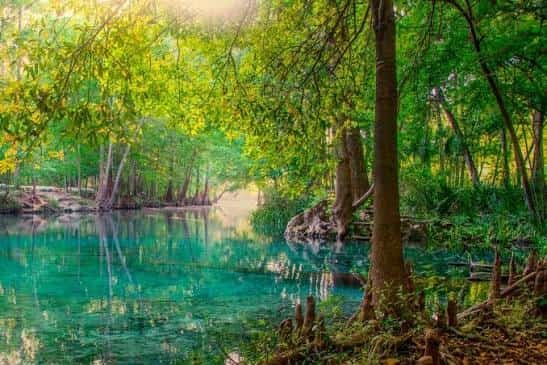
Everglades National Park Overview
| Category | Details |
| Location | Southern Florida, Miami-Dade, Monroe, and Collier counties |
| Nearest cities | Florida City, Everglades City, Homestead |
| Nearest airport | Miami International Airport (MIA) |
| Established | Authorized 1934; dedicated December 6, 1947 |
| Total area | About 1.5 million acres (roughly 2,358 square miles) |
| Vehicle/vessel entrance fee | $35, valid 7 consecutive days |
| Motorcycle fee | $30 |
| Per-person fee (foot/bicycle/paddle-craft) | $20 |
| Everglades Annual Pass | $70 |
| America the Beautiful Annual Pass | $80 (all U.S. national parks) |
| International visitor surcharge (2026) | $100 per person, age 16+ (waived with a qualifying annual pass) |
| Habitat types protected | Nine distinct ecosystems, from sawgrass marsh to mangrove forest |
| UNESCO status | World Heritage Site (1979), Biosphere Reserve (1976), Wetland of International Importance (1987) |
| Best time to visit | December through April (dry season) |
| Annual visitation | Around 1 million visitors |
Where Everglades National Park Is Located
Everglades sits at the southern tip of Florida, spanning parts of Miami-Dade, Monroe, and Collier counties, with entrances near Florida City on the east side and Everglades City on the west, plus the Shark Valley entrance closer to the middle of the state along the Tamiami Trail. Miami International Airport is the most convenient starting point for most visitors, with the main park entrance near Homestead roughly an hour’s drive south.
Because the park is so vast, most visitors don’t attempt to see it all in one trip. The eastern side, accessible from Homestead, tends to draw the majority of traffic, offering boardwalk trails, the historic Nike Missile Base, and boat tours out toward Florida Bay. Shark Valley, further north, is known for its 15-mile paved loop road popular with cyclists and tram tours, while the western Everglades City entrance offers access to the Ten Thousand Islands and the Wilderness Waterway, a route more suited to serious paddlers and boaters.
One scheduling detail worth knowing: the Shark Valley entrance gates lock firmly at 6:00 p.m. daily, so visitors planning an evening visit to that specific section should check current hours before heading out.
What It Costs to Visit
Entry costs $35 per vehicle or vessel, covering everyone inside for seven consecutive days, a detail that matters here more than at most parks since Everglades charges the same fee for boats entering through its maritime boundary as it does for cars. Motorcycles pay $30, and visitors on foot, bicycle, or paddle-craft pay $20 per person.
Regular visitors typically pick up the $70 Everglades Annual Pass, while anyone planning trips to multiple national parks during the year tends to prefer the $80 America the Beautiful Pass, which covers admission to every federal recreation site nationwide.
As of January 1, 2026, Everglades joined ten other high-traffic parks in charging non-U.S. residents an additional $100 surcharge per person, on top of the standard entrance fee. A $250 non-resident annual pass waives that surcharge and typically saves money for anyone visiting more than a couple of parks during their trip.
One detail specific to this park: since 2019, visitors arriving by boat, including those on guided fishing trips, are required to hold a valid entrance pass just like vehicle visitors, a change that significantly affected local fishing guides who previously operated without that requirement.
Facts That Make the Everglades Unique
Spanning roughly 1.5 million acres, Everglades ranks as the largest subtropical wilderness in the United States and the tenth-largest national park in the country. It protects nine distinct habitat types within a single boundary, including sawgrass marshes, mangrove forests, cypress swamps, pine rocklands, and tropical hardwood hammocks, an unusually varied mix for one park.
The Marjory Stoneman Douglas Wilderness Area, named for the author whose writing reshaped public perception of the region, preserves nearly 1.3 million acres within the park, making it the largest wilderness area east of the Mississippi River. Beneath the park’s surface, the porous limestone of the Biscayne Aquifer captures and filters the slow-moving water as it travels south, ultimately recharging a freshwater reservoir that supplies drinking water to millions of residents across South Florida.
The Everglades is also the only place in the world where American alligators and American crocodiles coexist in the same habitat, a rare overlap made possible by the mix of freshwater and brackish coastal environments found within the park’s boundaries.
The History Behind Everglades National Park
Long before conservation entered the picture, plans emerged as early as 1882 to drain the wetlands entirely for agricultural and residential development, and by the early 20th century, canals and levees were actively diverting water away from the natural system to fuel Miami’s rapid growth.
Congress authorized Everglades National Park in 1934, but disputes over land acquisition and Depression-era funding shortages delayed its actual creation for over a decade. President Harry Truman finally dedicated the park on December 6, 1947, in a ceremony held in Everglades City, with an original footprint of roughly 460,000 acres, a fraction of its current size.
That same year, Marjory Stoneman Douglas published The Everglades: River of Grass, a book credited with fundamentally shifting public perception of the region from a worthless swamp to a vital, interconnected watershed deserving protection. The park’s boundaries expanded significantly over the following decades, more than doubling in size by 1950 and growing further in 1989 with the addition of roughly 110,000 acres along the eastern boundary aimed specifically at restoring degraded ecosystem functions.
Restoration efforts intensified in 2000, when Congress authorized the Comprehensive Everglades Restoration Plan, a $16.4 billion, multi-decade project aimed at undoing much of the 20th century’s drainage infrastructure and restoring the natural southward flow of water from the Kissimmee River through Lake Okeechobee and into the park itself, a project still actively underway today.
Frequently Asked Questions
Q1. Do I need a separate pass if I’m arriving by boat rather than driving in?
No separate pass type is needed, but the same entrance fee applies. Since 2019, boats entering through the park’s maritime boundary, including guided fishing charters, must have a valid entrance pass just like vehicles.
Q2. What’s the best time of year to see wildlife like alligators and wading birds?
The dry season, roughly December through April, concentrates wildlife around shrinking water sources, making animal sightings far more reliable. Summer’s wet season brings higher water levels that disperse wildlife across a much larger area.
Q3. Is Shark Valley a good option if I don’t have a full day to spend in the park?
Yes. Shark Valley’s 15-mile loop can be done by tram tour, bicycle, or on foot in a few hours, making it one of the more time-efficient ways to see the park’s sawgrass prairie and wildlife without committing to a full-day itinerary.
Q4. Are mosquitoes as bad as people say, and does that affect when I should visit?
Mosquito activity is genuinely intense during the wet season, roughly May through November, and can affect comfort significantly on certain trails. Visiting during the drier winter months substantially reduces this issue for most travelers.