In 1881, a rancher named Tom Bingham walked up to a small hole in the South Dakota prairie and had his hat blown clean off his head. The wind roaring out of that opening was strong enough to be genuinely startling, and it led directly to the discovery of one of the longest, most complex cave systems on Earth. Wind Cave became a national park in 1903, the first in the entire world created specifically to protect something underground, and it remains the source of roughly 95% of all known boxwork formations found anywhere on the planet.
Here’s the practical guide for anyone planning a visit: where the park sits, what it costs, the numbers behind its strange breathing cave, and the family dispute over cave ownership that helped shape how the National Park Service handles underground resources today.
Wind Cave National Park Overview
| Category | Details |
| Location | Black Hills, southwestern South Dakota |
| Nearest city | Hot Springs, SD (about 10–11 miles south) |
| Nearest airport | Rapid City Regional Airport (RAP), about 50 miles away |
| Established | January 9, 1903 — sixth or seventh national park (sources vary), first created to protect a cave |
| Total area | About 33,850 acres |
| Entrance fee | None — free to enter the park |
| Cave tour tickets | Required, purchased at the visitor center or Recreation.gov |
| Mapped cave passages | Over 160 miles |
| Boxwork formations | About 95% of the world’s known boxwork found here |
| Surface habitat | One of the largest remaining mixed-grass prairies in North America |
| Annual visitation | Around 450,000 to 700,000 visitors |
Where Wind Cave National Park Is Located
Wind Cave National Park sits in the Black Hills of southwestern South Dakota, about 10 to 11 miles north of Hot Springs and roughly 50 miles south of Rapid City, where the closest regional airport serves the area. U.S. Highway 385 and South Dakota Highway 87 intersect close to the visitor center, making the park easy to reach by car as part of a broader Black Hills trip.
The surrounding region packs in an unusual concentration of major attractions: Custer State Park, Mount Rushmore, the Crazy Horse Memorial, and Jewel Cave National Monument all sit within a short drive, making Wind Cave a natural stop on a multi-day Black Hills itinerary rather than a standalone destination most people travel specifically for.
What It Costs to Visit
Wind Cave National Park charges no entrance fee at all. Driving in, exploring the surface prairie, and visiting the visitor center all cost nothing.
What isn’t free is actually going underground. Cave tours require a separate ticket, purchased either at the visitor center or in advance through Recreation.gov, and guided tours remain the only way to experience the cave itself, since independent exploration isn’t permitted. Reservations open as far as 120 days in advance and as close as 2 days before a tour, with roughly half the tickets for popular tours like Garden of Eden, Natural Entrance, and Fairgrounds held for advance booking. Because there’s no entrance fee here, America the Beautiful passes have no direct application to park admission, though cave tour tickets remain a separate cost regardless of any pass.
Facts That Make Wind Cave Extraordinary
The cave’s name comes directly from its unusual behavior: air rushes in and out of its small natural entrance depending on barometric pressure differences between the cave’s interior and the outside atmosphere. When outside pressure drops quickly, often ahead of an approaching storm, the higher-pressure air trapped inside the cave rushes out through available openings, sometimes measured at wind speeds up to 70 miles per hour, a phenomenon considered more dramatic in larger caves with only a few small openings, exactly the configuration found here.
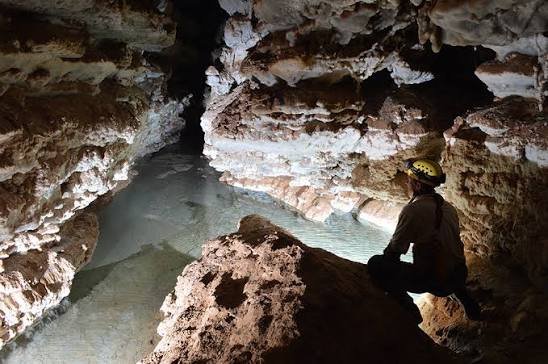
Below ground, the cave system extends over 160 miles of mapped passages, ranking among the longest caves in the world, with new sections still being discovered and surveyed regularly. Its most famous feature is boxwork, a rare, delicate calcite formation arranged in thin, honeycomb-like patterns; roughly 95% of all known boxwork anywhere on Earth is found within Wind Cave, making the formation almost synonymous with the park itself among cave enthusiasts.
Above ground, the park protects one of the largest remaining intact mixed-grass prairie ecosystems in North America, supporting bison, elk, pronghorn, and prairie dogs across rolling Black Hills grassland that connects directly to the cave system hidden beneath it.
The History Behind Wind Cave National Park
Native American tribes, including the Lakota, considered this cave sacred long before European settlers arrived, with oral traditions tying the site to significant cultural and spiritual meaning. The first recorded European discovery came on August 10, 1881, when brothers Jesse and Tom Bingham investigated a small hole in the ground after noticing the strange whistling wind emerging from it, an encounter memorably punctuated by the wind blowing Tom’s hat clean off.
Through the 1890s, the McDonald family conducted the most extensive early exploration of the cave, surveying miles of passages and charging visitors admission for guided tours, with the standard tour fee apparently running about $1.00 by the early 1890s. The family’s claim to ownership of the cave was ultimately disputed and rejected by the federal government, which determined that underground cave formations couldn’t be legally claimed under existing homestead or mining laws of the time, a ruling that helped clear the path toward federal protection instead.
President Theodore Roosevelt signed legislation establishing Wind Cave National Park on January 9, 1903, making it one of the earliest parks in the entire National Park System and the first anywhere in the world created specifically to protect a cave rather than surface scenery. Land above the cave system was gradually added to the park in subsequent decades, expanding its protected acreage to include grazing habitat that now supports the park’s bison, elk, and pronghorn populations.
Frequently Asked Questions
Q1. Can I explore Wind Cave on my own, or do I always need a guided tour?
Guided tours are the only way to experience the cave. Independent or self-guided exploration isn’t permitted, both for visitor safety and to protect the cave’s delicate formations, including its rare boxwork.
Q2. How far in advance should I book a cave tour ticket?
Reservations open up to 120 days before a tour date and remain available until 2 days prior, though popular tours like Natural Entrance can fill up, especially during peak school field trip season in April, May, and June. Booking a few weeks ahead is a reasonable middle ground for most visitors.
Q3. What should I wear or bring for a cave tour?
Sturdy shoes or hiking boots are strongly recommended, since sandals and flip-flops aren’t suitable for the cave’s uneven surfaces. A light jacket or sweater also helps, since underground temperatures stay cool and consistent regardless of the weather outside.
Q4. Is Wind Cave worth visiting if I’m already planning to see Jewel Cave nearby?
Yes, the two caves offer genuinely different experiences. Wind Cave is famous for its boxwork formations and unique barometric wind phenomenon, while Jewel Cave, though longer in mapped passages, is known more for its calcite crystal formations, making them complementary rather than redundant stops on a Black Hills trip.