The darkest tint legal in California depends on which window you’re asking about. Rear side windows and the rear window can be tinted to any darkness, including 5% “limo” film, while the front side windows must let at least 70% of light through, which in practice means nearly clear. The windshield allows a dark strip across the top four inches and nothing below it. That split between front and back is the whole story, and it explains why a California car can look heavily tinted from behind and almost untouched from the front. This overview is general information, not legal advice, and details can change, so confirm anything important with the California Highway Patrol or a licensed installer.
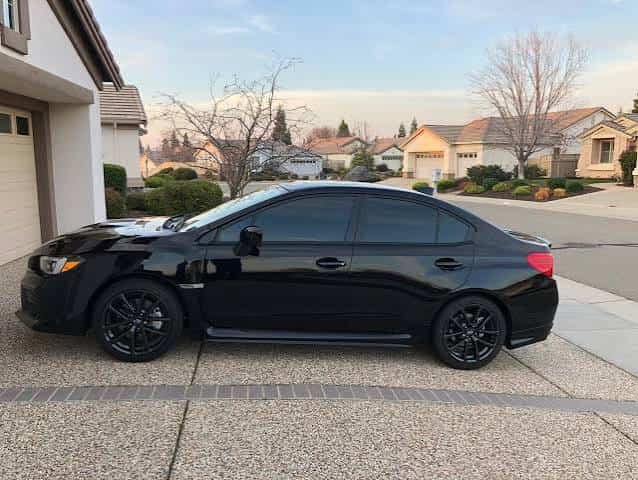
The Rule Window by Window
California’s tint rules sit in Vehicle Code section 26708. Here’s how they apply to each piece of glass.
- Rear side windows: any darkness is allowed, so 5% film is legal
- Rear window: any darkness is allowed, as long as the car has side mirrors on both the driver and passenger sides
- Front side windows: the glass plus any film must allow at least 70% of visible light through
- Windshield: a non-reflective strip on the top four inches only, roughly down to the AS-1 line marked on the glass
The same rules apply to sedans, SUVs, and trucks, since California doesn’t set separate categories by body style. A pickup and a coupe follow the same limits.
Why 70% Is Tougher Than It Sounds
A 70% VLT requirement sounds generous until you look at how it’s measured. VLT stands for visible light transmission, the percentage of light that gets through. The 70% figure applies to the film and the factory glass combined.
Most factory side windows already block a small amount of light, often letting through roughly 70% to 85%. That leaves very little room for film. In practice, anything with visible shade on a front side window will usually fall below the legal number.
Some practical consequences:
- Standard dark films, even light ones, usually won’t pass on front side windows
- A nearly clear ceramic or UV-blocking film can pass, since it adds heat and UV protection without much darkness
- A shop with a tint meter can test the combined reading before you leave
- Cars with slightly darker factory glass have even less room
What You Can Do Legally
Plenty of options remain for California drivers who want comfort and privacy.
- Dark rear windows: limo-level film on rear side and rear glass is allowed, which gives passengers privacy and cuts heat
- Clear ceramic film up front: it blocks a large share of infrared heat and UV rays while staying within the limit
- Visor strip on the windshield: a tint band across the top four inches, applied in a non-reflective film
- Sun shades: removable shades for parked cars add heat protection without any permanent film
Many drivers pair dark rear glass with clear ceramic film on the front doors and get most of the benefit.
Restrictions Beyond Darkness
Darkness isn’t the only thing the law covers.
- Tint can’t be more reflective than a standard window, so mirrored film is out
- Red, amber, and blue tints aren’t allowed on vehicle glass
- A tinted rear window requires side mirrors on both sides
- Any film applied to the windshield below the top strip generally must be clear and non-reflective
If you’re choosing a film, ask the installer for a product that’s marketed as California compliant.
Medical Exemptions
California does provide a medical exemption process for people with certain conditions, such as extreme sensitivity to light. The details are narrower than many people expect, and published summaries disagree on exactly how dark an exempted front window can be. Because of that, anyone considering an exemption should confirm the current rules and paperwork with the state and get a physician’s certification where required.
Keep in mind that an exemption generally doesn’t open the door to limo-level darkness on the windshield, and it’s usually something to carry documentation for in the vehicle.
What Happens If Your Tint Is Too Dark
Enforcement tends to be correction-focused.
- A first offense is commonly handled as a “fix-it” ticket, which means you remove or replace the tint and show proof of compliance
- After correction, you typically pay a small dismissal fee, often reported around $25, plus any court costs
- Ignoring the notice can turn it into a larger fine and a hold on your registration
- Costs also include having a shop remove the film, which can run from tens to a couple hundred dollars depending on the car
Officers can also pull you over for tint alone, which creates the chance for other issues to surface during the stop.
Tips Before You Buy
- Get the combined reading, not just the film’s rating, since factory glass counts
- Ask for a written receipt that lists the film brand and VLT
- Check the rear window and side mirror situation before choosing dark film
- Be cautious with a used car, because previous owners may have installed film that doesn’t comply
- If you move to California from another state, your car’s existing tint may need to be changed
- Don’t rely on an out-of-state shop’s advice, since tint laws differ widely by state
Frequently Asked Questions
Q1. What is the darkest tint legal in California?
A: Rear side and rear windows can be any darkness, but front side windows must allow at least 70% of light through.
Q2. Is 5% tint legal in California?
A: Yes on the rear side windows and rear window, but not on the front side windows or windshield.
Q3. Can I tint my front windows in California?
A: Only very light or clear film that keeps the combined reading at 70% or higher.
Q4. How much is a window tint ticket in California?
A: A first offense is often a correctable fix-it ticket with a small fee after you remove the tint, though amounts can vary.