Is lane splitting on a motorcycle legal in Florida? No. Florida law prohibits riding a motorcycle between lanes of traffic or between adjacent rows of vehicles, whether traffic is moving or stopped, and there is no speed or congestion exception. That surprises riders who arrive from California, where limited lane splitting is allowed, but Florida’s rule is simple and consistent: every motorcycle rides inside a lane, just like any other vehicle. The state also permits some practices that make riding easier, including two motorcycles riding side by side in one lane. This overview is general information, not legal advice, and the Florida Highway Safety and Motor Vehicles department or a local attorney can confirm current rules.
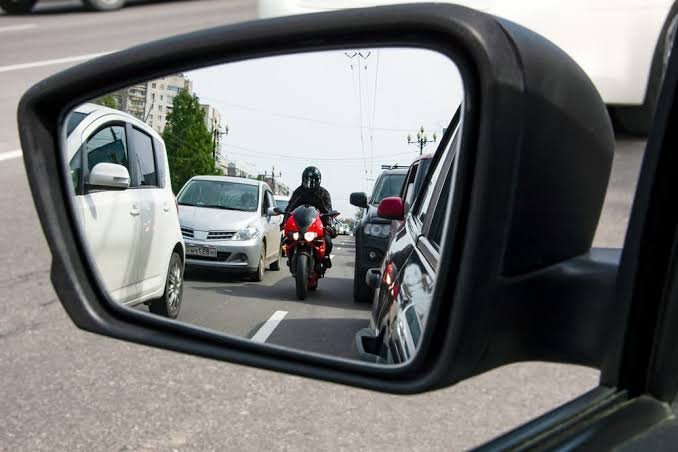
The Rule in Plain Terms
Florida’s motorcycle statute gives a motorcycle the full use of a lane and then lists what riders may not do.
- Ride between lanes of traffic
- Ride between adjacent lines or rows of vehicles
- Pass another vehicle within the same lane that the other vehicle occupies
The wording applies at highway speed and at a standstill, so creeping between stopped cars on a congested road is treated the same as weaving between moving ones. The law also does not distinguish between a wide freeway and a narrow city street.
Splitting, Filtering, and Sharing: Three Different Ideas
The terms get mixed up, and the differences help explain what is allowed.
- Lane splitting: riding between lanes of moving traffic, which Florida prohibits
- Lane filtering: moving between stopped or very slow vehicles, usually to the front at a light, which Florida also prohibits
- Lane sharing: two motorcycles riding abreast within a single lane, which Florida allows
That last point is worth remembering. Friends can ride next to each other in a lane, but a motorcycle cannot ride alongside a car in the same lane, and nobody may ride more than two abreast.
Why Riders Keep Asking About It
Florida combines several conditions that make this question common.
- Heavy, slow traffic: I-4 in Orlando, I-95 through Miami and Jacksonville, I-75 in Tampa, and the Turnpike all produce long stop-and-go stretches
- Year-round riding weather: warm temperatures mean motorcycles share the road with cars every month of the year
- Event traffic: Daytona Bike Week and Biketoberfest bring huge numbers of riders, and out-of-state visitors often ask about local rules
- Summer heat: sitting in traffic under the sun is uncomfortable, so riders look for ways to keep moving
Understanding that the law is the same everywhere in the state, from the Panhandle to the Keys, simplifies trip planning.
Penalties for Riding Between Lanes
A lane-splitting citation in Florida is generally a noncriminal moving violation. Typical consequences include:
- A fine that varies by county and circumstances
- Points on the driver’s license, which can raise insurance rates
- Possible court costs and fees
- Greater exposure to fault if an accident occurs while riding between lanes
That last point matters most. In a crash, an insurer or court looking at fault will often count an illegal maneuver against the rider, which can affect compensation. Riding within a lane keeps the rider’s position stronger if the unexpected happens.
Legal Ways to Handle Heavy Traffic
Florida riders have plenty of practical options that stay within the law.
- Use lane position: shift within your lane, toward the left or right portion, to stay visible in mirrors and keep an escape path open
- Leave a longer gap: extra room in front gives you time to stop smoothly
- Stop slightly offset: at a red light, leave space to move forward if a driver behind approaches too quickly
- Flash the brake light: tapping the brake as you slow, or before a stop, grabs attention from drivers behind you
- Check mirrors frequently: approaching stops are the moment when a rear-end collision is most likely
- Choose different routes and times: side roads, off-peak travel, and early departures reduce time in congestion
- Consider express options carefully: some Florida express lanes allow motorcycles, and signs on each road explain access and toll rules
A little planning keeps the ride relaxed without breaking any rule.
Florida’s Gear, License, and Insurance Basics
Staying legal means more than lane position. A few rules apply to every Florida rider.
- Endorsement: riders need a motorcycle endorsement on their driver’s license, which is typically earned by completing the Basic RiderCourse offered through the Florida Rider Training Program
- Helmets: riders and passengers under 21 must wear a helmet, and riders 21 and older may ride without one if they carry at least $10,000 in medical insurance benefits, though many choose to wear one anyway
- Eye protection: a face shield, goggles, or glasses are required unless the motorcycle has a windscreen
- Equipment: working headlight, taillight, brake light, mirror, and horn are expected
- Insurance: requirements for motorcycles differ from those for cars in Florida, so riders should confirm what coverage the state and their lender require, and many carry liability and uninsured motorist coverage for protection
- Registration: motorcycles need current registration and a license plate displayed properly
Completing a rider safety course also often brings insurance discounts.
Tips for Florida’s Busiest Corridors
Each major route has its own personality, and a few habits help.
- I-4 in central Florida: construction zones and sudden slowdowns are common, so keep a bigger cushion in front
- I-95 and the Turnpike: high speeds mixed with heavy truck traffic reward steady lane position and early lane changes
- I-75 and I-275 in the Tampa Bay area: bridge approaches and merging lanes can bunch traffic quickly
- A1A and coastal roads: tourist traffic, pedestrians, and sandy shoulders call for lower speeds and extra attention
- Summer afternoons: sudden thunderstorms can change road conditions fast, so keeping rain gear stowed and giving yourself more stopping distance helps
What Drivers Can Do to Help
Safe roads are a shared effort, and drivers can make a real difference.
- Check mirrors and blind spots twice before changing lanes
- Leave extra following distance behind a motorcycle
- Give riders a full lane width, even when they ride toward one side
- Look carefully at intersections, since motorcycles can be hard to judge by speed and distance
- Put the phone away while driving
Many Florida riders appreciate drivers who stay alert, and the courtesy is returned on the road.
What If the Law Changes?
Some states have adopted lane filtering or splitting rules in recent years, and bills have been discussed in various legislatures. Florida’s rule has remained consistent, but laws can change, so riders interested in the topic can follow bills on the Florida Legislature’s website. Until a change occurs, the current rule applies.
Quick Checklist for Florida Riders
- Stay centered in your own lane, and use lane position for visibility
- Share a lane only with another motorcycle, never with a car
- Keep helmet, eye protection, and endorsement requirements in mind
- Plan routes and travel times to avoid the worst congestion
- Maintain brakes, tires, and lights so you are ready for stop-and-go traffic
- Consider a refresher rider course, especially after a long break from riding
Frequently Asked Questions
Q1. Can motorcycles filter between stopped cars at a red light in Florida?
A: No. Florida prohibits riding between lanes or rows of vehicles, even when traffic is stopped.
Q2. Is it legal for two motorcycles to ride side by side in one lane in Florida?
A: Yes. Two motorcycles may ride abreast in a single lane, but no more than two.
Q3. What happens if I get caught lane splitting in Florida?
A: It is generally a noncriminal moving violation with a fine and points on your license, and it can affect fault if a crash occurs.
Q4. Do I have to wear a helmet in Florida?
A: Riders and passengers under 21 must. Riders 21 and older can go without one if they carry at least $10,000 in medical insurance coverage, though wearing one is a smart choice.