How to legally separate in California is a clear, well-defined process: you file a Petition for Legal Separation with the superior court in your county, serve your spouse with the papers, exchange financial information, and then either reach an agreement or ask a judge to decide issues such as custody, support, and property. A legal separation lets you divide responsibilities and keep the marriage in place, which appeals to couples who want financial clarity without ending the marriage, whether for health insurance, religious beliefs, or the benefits that come with a longer marriage. Unlike divorce, there is no residency requirement and no mandatory waiting period for a legal separation. This overview is general information, not legal advice, and a California family law attorney can tailor the steps to your situation.
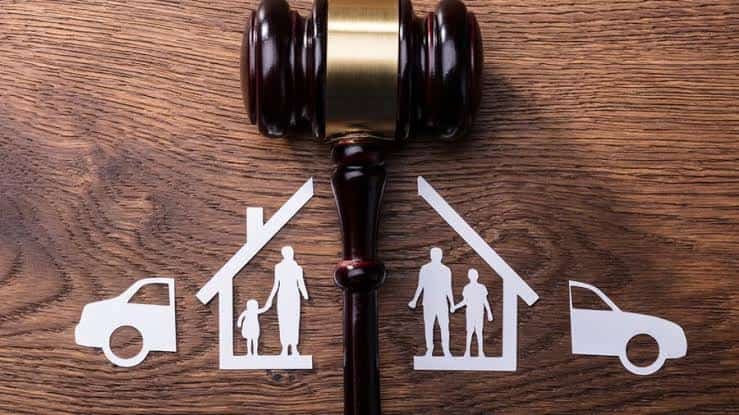
What Legal Separation Means in California
A legal separation is a court case that results in a judgment about how you and your spouse will handle your lives while remaining married.
- You stay married: neither spouse can remarry after a judgment of legal separation
- The court can make orders: custody and parenting time, child support, spousal support, and the division of property and debts
- Benefits can continue: some couples keep health insurance, tax benefits, or other advantages tied to marital status, depending on the rules of the plan or program
- It can lead to divorce later: a legal separation can be changed into a divorce if one or both spouses decide to end the marriage
A legal separation differs from an informal separation, in which spouses simply live apart without a court case. An informal separation can still have legal consequences, but only a court judgment creates enforceable orders for support and property.
Why Some Couples Choose It
People pick legal separation for many reasons, and none requires explanation to the court.
- Health insurance: some plans cover a spouse but not an ex-spouse
- Religious or personal beliefs: divorce may conflict with a couple’s values
- Marriage length milestones: certain benefits, such as spousal support considerations and Social Security spousal benefits, can depend on a marriage lasting 10 years
- Time to decide: some couples want structure while they think about the future
- No residency hurdle: divorce requires living in California for six months and in the county for three months, while legal separation does not
Step One: Know Your Date of Separation
California law defines the date of separation as the day when one spouse makes a complete and final break in the marriage, shown by words and conduct.
- Spouses can be separated while living under the same roof, if they have stopped living as a married couple
- Earnings and debts after the date of separation are generally treated as separate property, so the date can be financially important
- Write down the date and keep records, such as messages, a lease, or a change of address
- If spouses disagree about the date, the court can decide
Choosing and documenting a date early prevents disputes later.
Step Two: Prepare the Forms
California uses statewide Judicial Council forms, available free on the California Courts website and at courthouse self-help centers.
- Petition (Form FL-100): the main document, in which you choose legal separation and list your requests
- Summons (Form FL-110): notifies your spouse that a case has begun and explains the automatic restraining orders
- UCCJEA Declaration (Form FL-105): needed if you have minor children, giving information about where they have lived
- Local forms: many counties have additional cover sheets or requirements
Your county’s family court website lists current forms and instructions. Self-help centers can answer procedural questions, and many offer workshops at no cost.
Step Three: File With the Superior Court
File the completed forms with the clerk of the superior court in the county where you or your spouse lives.
- Ask the clerk for filed-stamped copies for your records and for service
- Pay the filing fee, which is a few hundred dollars and set by the state, or ask about a fee waiver if you qualify based on income
- Many courts accept electronic filing, and some require it, so check your county’s process
- Keep copies of everything you file
The case number on your forms is how the court tracks the case, so keep it handy.
Step Four: Serve Your Spouse
Your spouse must receive copies of the filed papers in a way that meets legal requirements. You cannot hand them over yourself.
- An adult who is not part of the case, such as a friend, relative, or professional process server, can deliver the papers
- Your spouse can also sign an acknowledgment of receipt if both of you agree
- The person who serves the papers completes a proof of service form, and you file it with the court
- Your spouse has 30 days after service to file a response
Serving the papers correctly keeps the case on track.
Step Five: Understand the Automatic Restraining Orders
Once the case is filed and the papers are served, standard orders take effect to protect both spouses during the case. They generally prevent either spouse from:
- Taking children out of California without consent or a court order
- Cashing in, borrowing against, or changing insurance coverage, such as removing a spouse from a policy
- Transferring, hiding, or selling property, except in the usual course of business or for necessities
- Creating or changing a trust or the beneficiaries on accounts without notice
Ordinary living expenses and attorney fees are generally allowed. Reading the notice on the Summons carefully helps you stay within the rules.
Step Six: Exchange Financial Disclosures
California requires both spouses to share complete financial information, even in a legal separation.
- Preliminary declaration of disclosure: each spouse provides income, expenses, assets, and debts, generally within 60 days of filing
- Supporting documents: tax returns, pay stubs, bank and retirement statements, and property records
- Final declaration of disclosure: exchanged before judgment, unless both spouses agree in writing to waive it
- Honest reporting: accurate disclosure protects you and helps the court make fair orders
Gathering documents early makes this step much easier.
Step Seven: Resolve Custody, Support, and Property
There are two main paths from here.
Agreement: spouses who can cooperate often sign a marital settlement agreement covering property, debts, support, custody, and parenting time. The court reviews the agreement and enters a judgment of legal separation based on it. Mediation can help couples reach agreements in a cooperative setting.
Court decision: if spouses cannot agree, the court holds hearings and decides issues based on California law. Custody decisions focus on the best interests of the child, and child support follows a statewide guideline formula.
California is a community property state, so assets and debts acquired during the marriage and before the date of separation are generally divided equally, with exceptions for separate property such as gifts, inheritances, and property owned before marriage.
Step Eight: Obtain the Judgment
When all issues are resolved, the court enters a judgment of legal separation. A few details matter.
- There is no mandatory waiting period before judgment, unlike divorce, which has a six-month minimum
- The judgment is an enforceable order covering the issues in your case
- Keep certified copies for banks, employers, schools, and benefit programs
- A later divorce is possible by amending the petition or filing a new case, and if you meet the residency requirements, the six-month waiting period for divorce will apply
Safety and Support
If your safety or your children’s safety is a concern, protective steps come before paperwork.
- Call 911 in an emergency
- California courts offer domestic violence restraining orders, with forms and help available at the courthouse
- The National Domestic Violence Hotline at 1-800-799-7233 provides confidential support
- Local legal aid organizations and domestic violence programs often offer free assistance
Working With Professionals
Many people find a team approach useful.
- Family law attorney: explains rights, reviews agreements, and represents you in court
- Family law facilitator and self-help center: free help with forms and procedures at most county courthouses
- Mediator: guides spouses toward agreements on property, support, and parenting
- Financial professional or accountant: helps with taxes, budgeting, and dividing accounts
- Counselor or therapist: supports communication and helps families adjust
Frequently Asked Questions
Q1. Do I need to live in California for six months to file for legal separation?
A: No. Unlike divorce, legal separation has no residency requirement, though you still file in a county where you or your spouse lives.
Q2. Can my spouse turn a legal separation into a divorce?
A: Yes. Your spouse can file a response asking for divorce instead, and the case can be changed if residency requirements are met.
Q3. Can I remarry after a legal separation in California?
A: No. You remain legally married until a divorce is granted.
Q4. Is there a waiting period before a legal separation is final?
A: No. California has no mandatory waiting period for legal separation, though disclosures and other steps must be completed first.